
Silent Panic Alarms in Schools: Addressing the Challenges That Delay 911 Response

Every second counts during a school emergency. Schools across the country have adopted silent panic alarms – discreet buttons or apps meant to immediately alert 911 – often spurred by safety mandates like Alyssa’s Law that require such systems on campuses.
The goal is simple: get help on the way faster by bypassing a phone call. However, many school administrators are discovering hidden challenges with traditional silent alarm systems. Simply installing a panic button doesn’t guarantee a swift or effective response. In fact, a broad misconception persists that pressing a silent alarm automatically gives 911 dispatchers all the information they need.
In reality, if these systems are not directly integrated with emergency dispatch and carefully implemented, critical gaps emerge – from communication breakdowns to verification hurdles – which can undermine the very purpose of the panic button.
The Promise and Pitfalls of Silent Panic Buttons
Silent panic alarm systems have clear appeal in a school setting. They provide a quiet, immediate way to call for help without alerting an intruder or causing mass panic. Teachers might wear a fob or badge, or have an app on their phone, and with a quick press activate an emergency alert. These systems have been gaining traction especially after high-profile school incidents. For instance, after the Parkland tragedy, New Jersey became the first state to pass Alyssa’s Law in 2019 to outfit schools with panic alarms directly linked to law enforcement. Since then, more states have followed suit, recognizing that in emergencies like shootings or medical crises, bypassing a phone call and instantly notifying first responders can shave minutes off response times.
Yet, alongside the promise of these silent alarms come significant challenges. A panic button is only as effective as the communication infrastructure behind it. Many schools purchase a system believing it will automatically interface with 911, but not all do. There are cases where an alarm activation merely sends a notification to a third-party call center or a select group of administrators, not directly to 911. Without direct integration, a school could be pressing the panic button thinking help is on the way, when in fact 911 is unaware of the emergency. The difference between assumption and reality in these moments can be life-threatening. To understand the stakes, it’s important to recognize the hidden gaps that can occur when schools implement silent panic systems without full coordination with emergency services.
Hidden Safety Gaps in Emergency Alerting
Rolling out a new silent alarm system involves more than handing out buttons or installing an app. If not planned carefully, several critical failure points can emerge that undermine the very goal of a panic alert. Some common gaps and pitfalls include:
- Alerts may not reach 911 directly.
If a panic button system isn’t integrated with local emergency dispatch, alerts may be routed to a third-party service, a school administrator, or an app that first responders don’t monitor. Without a direct connection to 911, essential details like the nature and location of the emergency might never reach those who need them, delaying response time. - Accidental alarm activation can create confusion and drain resources.
Accidental activations are bound to happen, but without a process to quickly verify or cancel alerts, emergency responders may be dispatched unnecessarily. This can lead to panic in the school community, waste valuable resources, and over time, reduce urgency during actual emergencies. - Lack of real-time context limits situational awareness.
Unlike a 911 call, which allows dispatchers to ask questions and gather details, a silent alert often provides only a basic signal. If the system doesn’t include location-specific data, floor plans, or live updates, responders may arrive without the critical information they need to act quickly and safely. - Disjointed systems create communication gaps.
If schools, dispatch centers, and public safety teams use separate platforms that don’t work together, important information, such as camera feeds or building layouts, may not be accessible in real-time. This disconnect can delay action and hinder a coordinated response during an emergency.
These hidden challenges illustrate why just having a panic button isn’t enough. If the alert doesn’t seamlessly reach those who can act on it with the context they need, the system can fail when it matters most.
Bridging the Gap: How to Ensure Fast, Reliable 911 Communication
The good news is that the challenges above can be overcome with planning and partnership. Schools and emergency responders can work together to make sure a silent alarm truly delivers on its promise of speed and reliability. Here are key steps and best practices for implementing panic button systems that work when it counts:
- Engage Emergency Responders from the Start
Before selecting a panic alert system, schools should sit down with their local 911 center and public safety partners. These conversations help identify technologies that are already in use or compatible with existing infrastructure. In some areas, school districts and first responders have jointly adopted a single platform to create a more unified approach. Early collaboration helps prevent miscommunications later and ensures emergency alerts reach the right people, fast. - Map Out What Happens After the Button Is Pressed
It’s critical for everyone to understand what an alert will trigger. Will it notify local law enforcement directly? Will it also alert school leadership? Will sirens go off or messages be sent silently? Each scenario, whether it’s a lockdown, medical emergency, or other crisis, should have a clear, predefined response. Work with emergency management officials to design protocols that support fast, coordinated action. - Make Sure Location and Data Are Built In
For first responders, knowing exactly where to go can make all the difference. Your chosen system should automatically share precise location details – not just the school’s address, but the specific room or area where help is needed. To go even further, schools can connect their panic alert system with building maps, floor plans, and security camera feeds, giving 911 dispatchers and law enforcement a real-time view of the situation as it unfolds. - Train, Practice, Repeat
No system is effective without proper training. Once a solution is in place, schools should ensure that all staff know how to use it, what to expect when it’s activated, and what steps to follow. Encourage staff to install the app (if applicable), and provide clear instructions on usage. Regular safety drills that include local 911 personnel help reinforce procedures and reveal any gaps in the process that can be fixed before a real emergency occurs. - Assign Clear Points of Contact
When an incident occurs, having someone at the school who can communicate directly with dispatchers or emergency personnel can make response smoother and more accurate. Some systems can even be configured to share this contact information with 911 automatically when an alert is sent. - Choose Systems That Work Together
To reduce confusion, it’s best to use panic alert solutions that integrate directly with the systems already used by public safety agencies. Instead of relying on separate dashboards, schools should look for technology that can send alerts directly into police dispatch software or first responders’ mobile units. This helps ensure everyone receives the same information at the same time without the risk of something falling through the cracks due to platform incompatibility.
By following these practices, schools create a robust safety net: the moment a teacher activates the alarm, a well-orchestrated response kicks into gear, just as it would if someone dialed 911 – only faster. The ultimate objective is to make a silent alarm activation as informative and actionable as an actual phone call, if not more so. That requires technology that’s up to the task and people who are prepared to use it.
Technology and Teamwork for Safer Schools
Silent panic alarms can be powerful tools for school safety, but only when backed by careful implementation and close coordination with emergency services. The lesson from both simulations and real incidents is clear: speed and clarity of communication with 911 are just as important as the alarm device itself. Schools must not only invest in the right technology, but also invest time in planning, training, and partnership with their local first responders. When educators, 911 telecommunicators, and police/fire personnel are all aligned, a silent alarm system can significantly cut down response times and save lives.
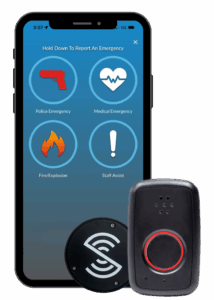
Thankfully, modern innovations are making this integration easier. Solutions like SaferWatch are built to support schools in this mission by combining instant panic alerting with direct 911 connectivity and real-time information sharing. For example, the SaferWatch platform enables a teacher to hit an emergency button (mobile app or physical fob) that immediately notifies 911, school administrators, and on-site security simultaneously. It provides dispatchers with the caller’s GPS location and can even share live video or camera feeds, giving first responders eyes on the situation before they arrive. Two-way communication is built in, so that officials and staff can exchange updates while help is en route. By leveraging tools like this – in conjunction with the collaborative steps outlined above – schools can strengthen their safety posture without overburdening responders.
Every school emergency will always be a tense, high-stakes event. But by eliminating alert delays and information blackouts, we can ensure that when seconds matter most, 911 and first responders are alerted instantly and armed with the knowledge they need to act. In the end, a silent alarm system should never be “silent” in the information it delivers – it should loudly and clearly communicate “send help here now” to those who can make a difference. Through smart planning and the right technology, schools and public safety agencies together can overcome the hidden challenges of silent alarms and create a safer environment for our children and educators.
To learn how your school can implement a connected, reliable panic alert system that integrates directly with 911 and first responders, contact SaferWatch to schedule a consultation or request a demo.